Concrete driveway in Corona CA: what the job includes
Corona splits every driveway in two. From the garage door to the back of the walk it is private flatwork, free of a building permit. From there to the gutter, the sloped apron belongs to the City, which sets its design and sends an inspector. Driveways are one of several jobs on the concrete contractor in Corona CA page, and plenty of projects pair one with a walk or a side slab.
- Full replacement of a cracked, settled or flaking driveway, tear-out included
- New driveways on lots that never had one, or a gravel pad turned to concrete
- Widening to three cars, a side strip to the gate, or an RV pad (see driveway extensions)
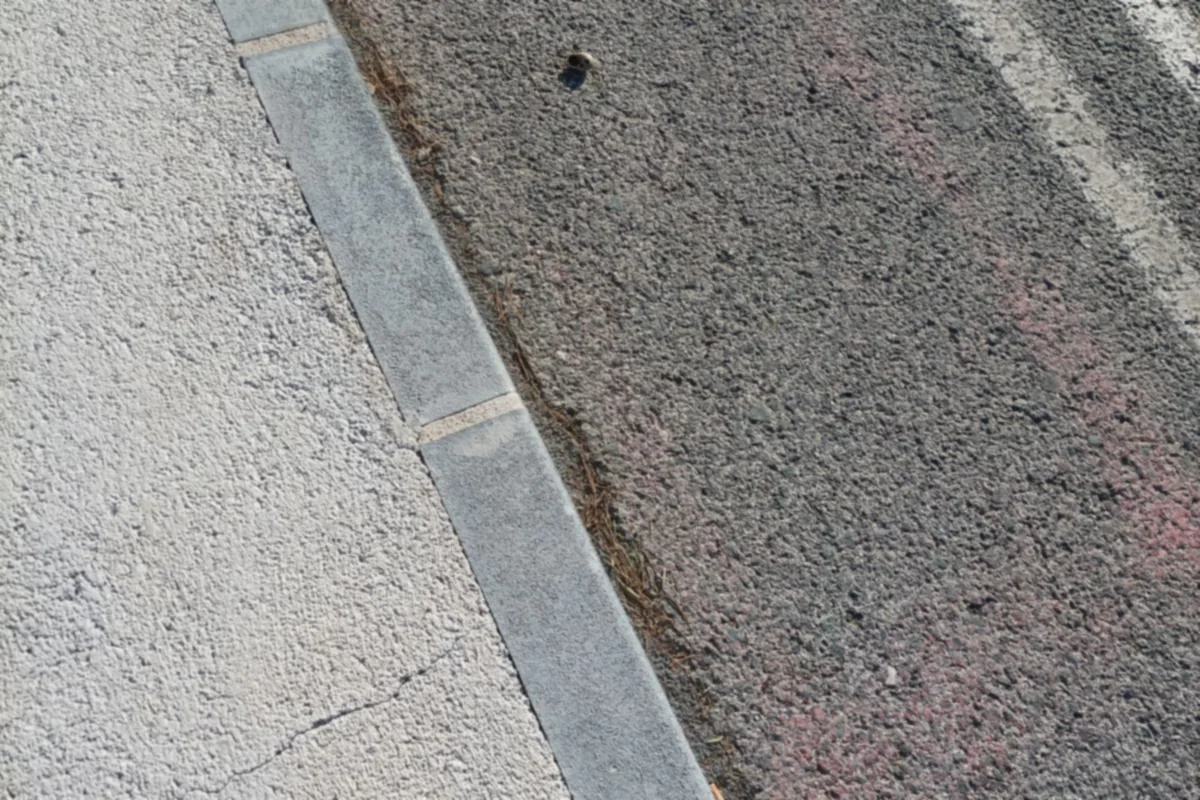
- The curb approach rebuilt to Standard Plan 128 under the City or county permit
- Broom, exposed aggregate, colored or stamped finishes
Corona's driveway standards, in one table
Every approach in the city is drawn from two standard plans the City Engineer approved in November 2009, and they are still the ones Public Works posts today. Most of the numbers that shape a driveway come from them.
| Item | Rule | Where it comes from |
|---|---|---|
| Approach width (single residence) | 10 ft minimum, 28 ft maximum | Standard Plan 128 |
| Approach width against the lot | No more than 50% of the lot frontage, and never past 28 ft | Standard Plan 128, note 3 |
| Approach thickness | 6 in, concrete class 560-C-3250, cured with curing compound | Standard Plan 128, note 2 |
| Two openings on one lot | At least 22 ft of curb between them | Standard Plan 128, note 3 |
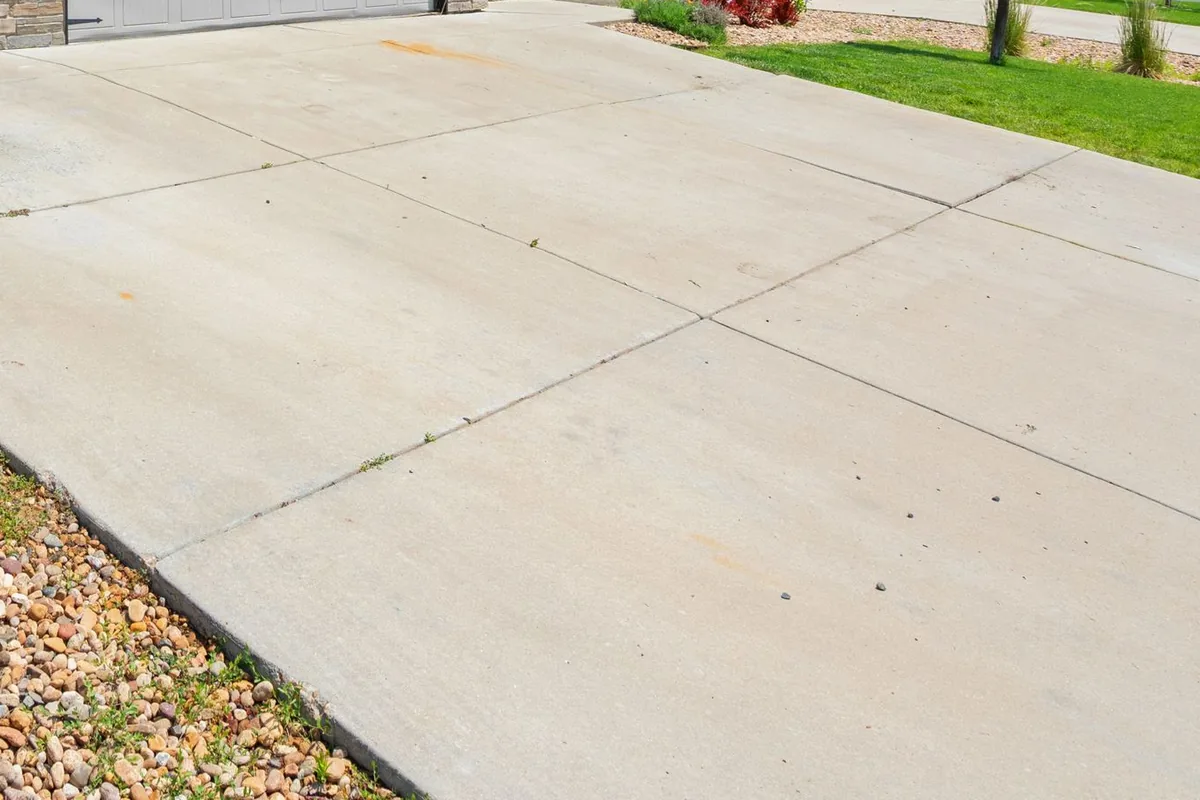
| Approaches wider than 20 ft | Scored 1-1/2 in deep down the center line | Standard Plan 128, note 4 |
| Steepest residential driveway | 12% grade, unless Public Works approves more | Standard Plan 133, note 2 |
| Sharpest grade break at the walk | 14% for residential | Standard Plan 133, note 3 |
City of Corona Standard Plans 128 (Residential Driveway Approach) and 133 (Driveway Approach Location), approved November 23, 2009, posted on the City's street standards page (read November 26, 2026). Unincorporated Temescal Valley follows Riverside County road standards instead.
The full process for the apron, including the City's insurance and license list, is on the driveway approach page.
What a new driveway costs in Corona
Nationally, HomeGuide's 2026 guide prices a broomed driveway at $6 to $10 a square foot installed, a basic decorative finish at $10 to $15, stamped patterns at $15 to $20 and a 6 inch heavy-duty slab at $8 to $20, and HomeAdvisor's national average for a whole drive is $6,400. In Corona, removing the old slab and any rebuilt apron at the curb come on top.
Sizes from a 20 by 20 to a 1,500 square foot spread, plus the gravel and asphalt comparisons people ask about, are worked out on the concrete driveway cost in Corona page.
Replace, repair or resurface?
Replace when the slab has dropped, heaved or broken into loose pieces, since a new surface on a failing base fails the same way. Repair when the damage is a few cracks or a broken corner on concrete that is still level; see concrete repair. Resurface when the slab is sound but the top is worn, stained or flaking, which a thin bonded overlay fixes for about half the price of new concrete; see concrete resurfacing.
Finishes that suit a Corona driveway
Broom finish
The least expensive choice. A broom pulled across the slope leaves fine ridges that tires and shoes hold on, and there is no sealer to keep up.
Exposed aggregate
Rinsing away the cement film leaves the gravel showing on top. HomeGuide scores it well for slip resistance, which helps on the steeper drives of South Corona.
Colored or stamped
Integral color or a stamped border lifts curb appeal but needs a sealer every few years; the stamped concrete page covers the patterns and upkeep.
How a Corona driveway replacement runs
- 1Check the lot and the line
The driveway is measured, the slope from garage to gutter is read, and the address is checked against the city line, because the curb end is permitted by the City or the county depending on which side it falls.
- 2Cut the edges, then demolish
A saw line separates the old drive from the walk and garage floor that stay, the slab is jackhammered and trucked away, and spongy or root-riddled dirt below goes with it.
- 3Reset the bed
Crushed rock is rolled back in thin layers and graded so rain heads for the gutter instead of pooling at the garage.
- 4Steel and the pour
Side forms set the width and slope, rebar or mesh is lifted onto chairs so it ends up mid-slab, and the mix is struck off, floated and broomed or decorated.
- 5Joints and a week off
Saw-cut joints go in the same day, the new slab is kept wet or sprayed with a curing membrane, and cars park on the street for roughly seven days.
Summer pours start early: the airports either side of Corona average about 100 days a year at 90°F or more, and the hot weather guide explains what changes on those days. Joints follow the National Ready Mixed Concrete Association's rule of 24 to 36 times the slab thickness, which for a 4 inch driveway means about every 10 feet.
Wider driveways and RV parking
Because the curb cut can't grow past the limits in the table above, most extra width in Corona is added behind the sidewalk: a flared third lane, a strip along the side yard or a pad to the gate. The driveway extension and RV pad page covers thickness, cost and what an HOA usually asks to see.