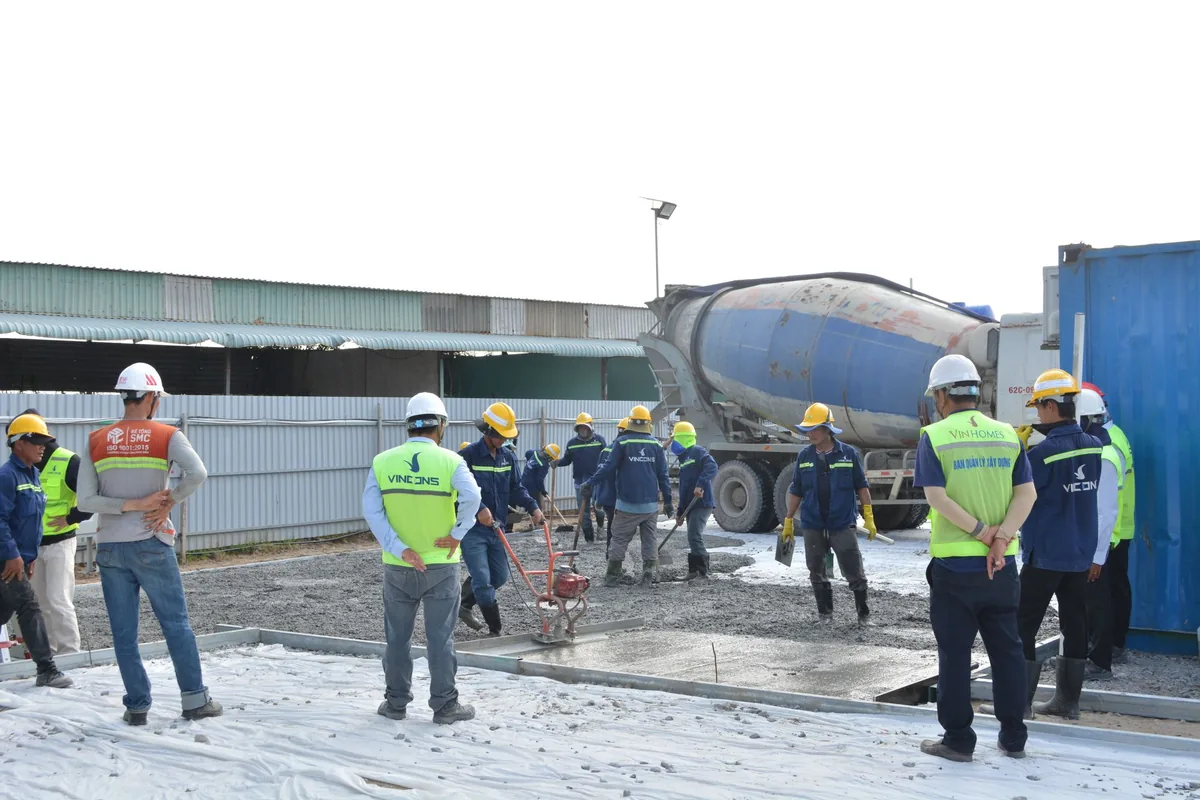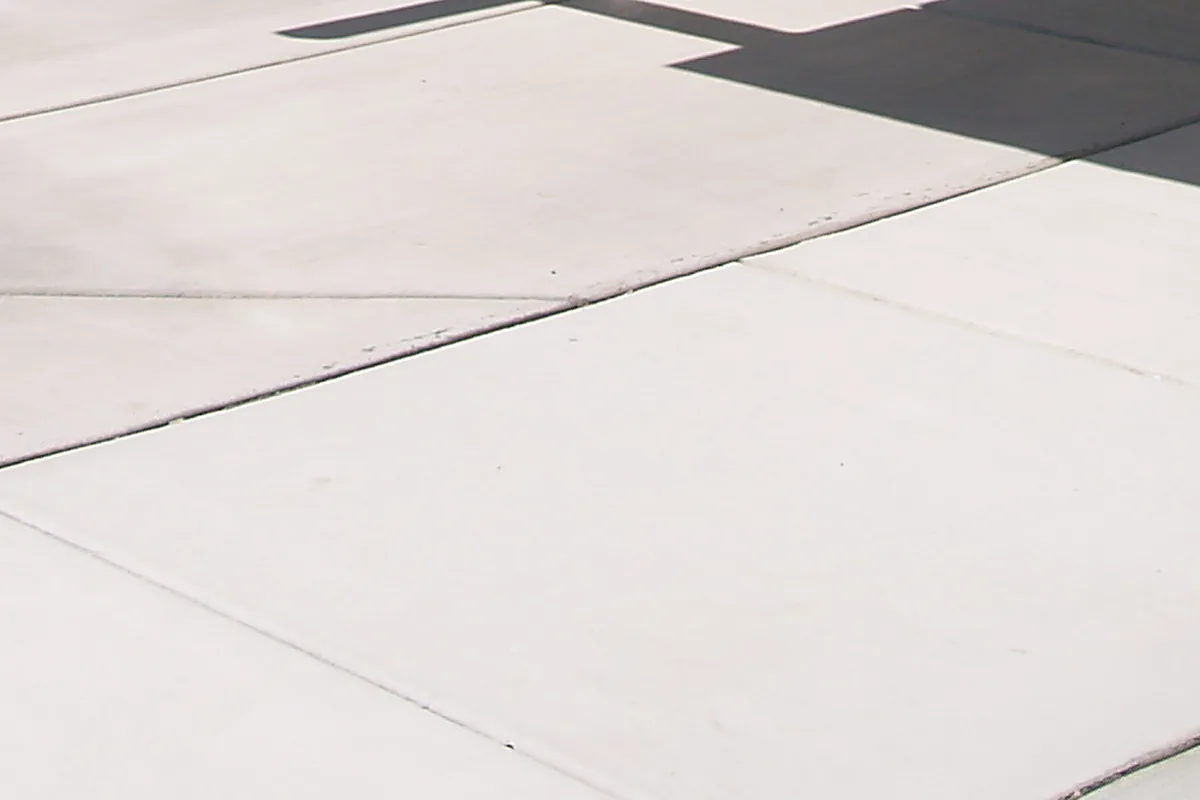
Concrete slab in Corona CA: the pads people pour most
Most slab work on Corona homes is small and specific: a pad under a garden shed, a base for a spa, a run along the side yard so the trash cans and the mower don't live in the dirt, or a plain slab that turns a bare corner of the yard into usable space. The bigger pours, driveways and patios, have their own pages on the concrete contractor in Corona CA site.
- Shed pads, sized past the shed's footprint
- Spa and hot tub pads built to the maker's spec
- AC condenser, pool equipment and generator pads
- Side-yard slabs to the gate, the trash cans or a dog run
- Plain backyard slabs, including ones sized for a cover added later
Pad and slab prices from 8 x 8 to 30 x 30
The smaller the pad, the higher the price per foot, since a 64 square foot pad still needs the same truck, forms and crew time as a big one. concreteslabcost.com's October 2026 model, for 4 inch slabs with wire mesh on a stone base, shows it clearly: about $18 a square foot for an 8 by 8 against about $8.40 for a 20 by 20.
| Size | Low to high | Typical or second source |
|---|---|---|
| 8 x 8 ft (spa or small shed) | $660 to $2,520 | Typical $1,160 |
| 10 x 12 ft (standard shed) | $920 to $3,080 | Typical $1,550 |
| 12 x 12 ft (144 sq ft) | $864 to $1,728 | HomeGuide, 2026 |
| 12 x 16 ft (workshop shed) | $1,260 to $3,670 | Typical $2,040 |
| 16 x 20 ft (small patio or pad) | $1,800 to $4,960 | Typical $2,920 |
| 20 x 20 ft | $2,180 to $5,620 | HomeGuide: $2,400 to $4,800 |
| 15 x 30 ft (450 sq ft) | $2,700 to $5,400 | HomeGuide, 2026 |
| 30 x 30 ft | $5,400 to $10,800 | HomeGuide, 2026 |
concreteslabcost.com concrete pad cost model (updated October 2026); HomeGuide concrete slab cost guide (2026) for the 20 x 20 and 30 x 30 rows; the 12 x 12 and 15 x 30 rows are HomeGuide's $6 to $12 per sq ft times the area. Not included: permits, breaking out an existing pad, and any decorative finish. Your own site sets the final price.
How much does a 12x12 concrete slab cost?
About $864 to $1,728 for 144 square feet at HomeGuide's national 2026 rate of $6 to $12 a square foot. That is a typical shed or hot tub pad; a small slab costs more per foot because the delivery and setup are the same.
How much does a 15x30 concrete slab cost?
About $2,700 to $5,400 for 450 square feet at the same rate, before any old concrete comes out.
Pouring two small pads together, a shed base and an AC pad for instance, splits one setup and one short-load fee between them.
Permits: which slabs need one
The City of Corona lets most pads go without a permit: Municipal Code 15.02.090 covers flat concrete within 30 inches of the ground and one-story storage sheds of 120 square feet or less. Go bigger, or pour the floor of a workshop, garage or ADU, and the slab becomes part of that building's permit and inspections. The Corona concrete permit guide covers the county side, which applies in Temescal Valley and the other unincorporated communities.
Building a slab that stays flat
Base and soil
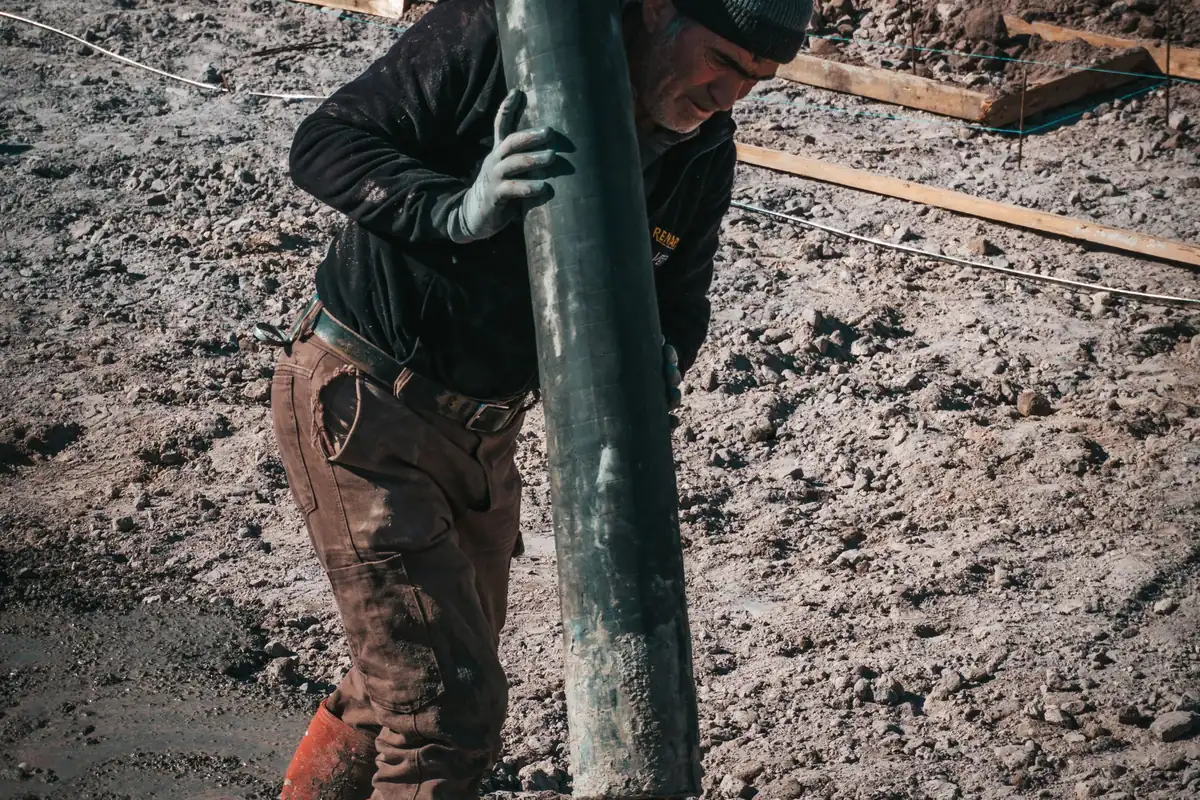
The ground decides how long a pad stays level. Across most of Corona it is well-drained sandy or gravelly loam that packs down firmly, but our USDA soil sample found clay pockets with moderate to high shrink-swell, and the Corona soil guide maps them. On those, a thicker base and closer joints are cheap insurance.
How thick, and whether to add rebar
Sheds, spas and foot traffic are fine on 4 inches. A pad that a vehicle will cross or park on belongs with the driveway extension and RV pad work: 6 inches with rebar.
Joints
The National Ready Mixed Concrete Association sets joint spacing at 24 to 36 times the thickness, about 10 feet for a 4 inch slab and never more than 15, with panels close to square. A long side-yard run is jointed across its width every few feet for the same reason.
Pouring a Corona pad, step by step
- 1Size it for what sits on it
A shed pad is sized a few inches past the shed's footprint, a spa pad to the maker's spec, and a side-yard slab to the gate and the trash-can route.
- 2Check the permit line
A pad for a shed up to 120 square feet or a slab on grade is exempt in the City; a slab under a garage, workshop or ADU is part of a permitted building.
- 3Scrape and roll the ground
Topsoil and roots are scraped away and crushed rock is rolled flat so the pad bears evenly everywhere.
- 4Box it in and pour
Boards frame the pad with just enough tilt to shed rain, mesh or rebar goes in where the weight needs it, and the top is troweled smooth or broomed.
- 5Cut and cure
Anything bigger than a small pad is saw-cut about every 10 feet at 4 inches thick, then misted or sprayed with a curing coat.
Bigger lots, bigger pads
On the rural parcels east of the city, slabs grow: equipment pads, barn aprons and long parking strips. The Lake Mathews page covers those lots, and if you plan to pour a pad yourself, the license guide explains when a hired helper needs a C-8. A slab meant as a patio is covered on the concrete patio page.