Concrete patio in Corona CA: open, covered or extended
A Corona patio is usually one of three jobs: a new slab off the back slider, an extension that widens an original builder's patio, or a slab poured with footings so a patio cover can go over it. Patios are part of the residential flatwork on the concrete contractor in Corona CA page, and many are poured together with a side walk or a pad for a spa.
- New back patios, sized for a table, a lounge area or both
- Extensions of a builder's original patio, doweled and jointed to the old slab
- Slabs with footings for a patio cover or pergola
- Broom, smooth, stamped, stained and exposed aggregate finishes
- Steps and landings down to the yard
Covered patios: plan the footings with the slab
Corona's summer sun is the reason many patios end up covered. The City's published patio cover standard sets the post footings at 18 or 24 inches square and 12 inches deep, depending on the cover's size. Pouring those footings with the slab, or leaving clean blockouts for them, avoids saw-cutting a new patio later.
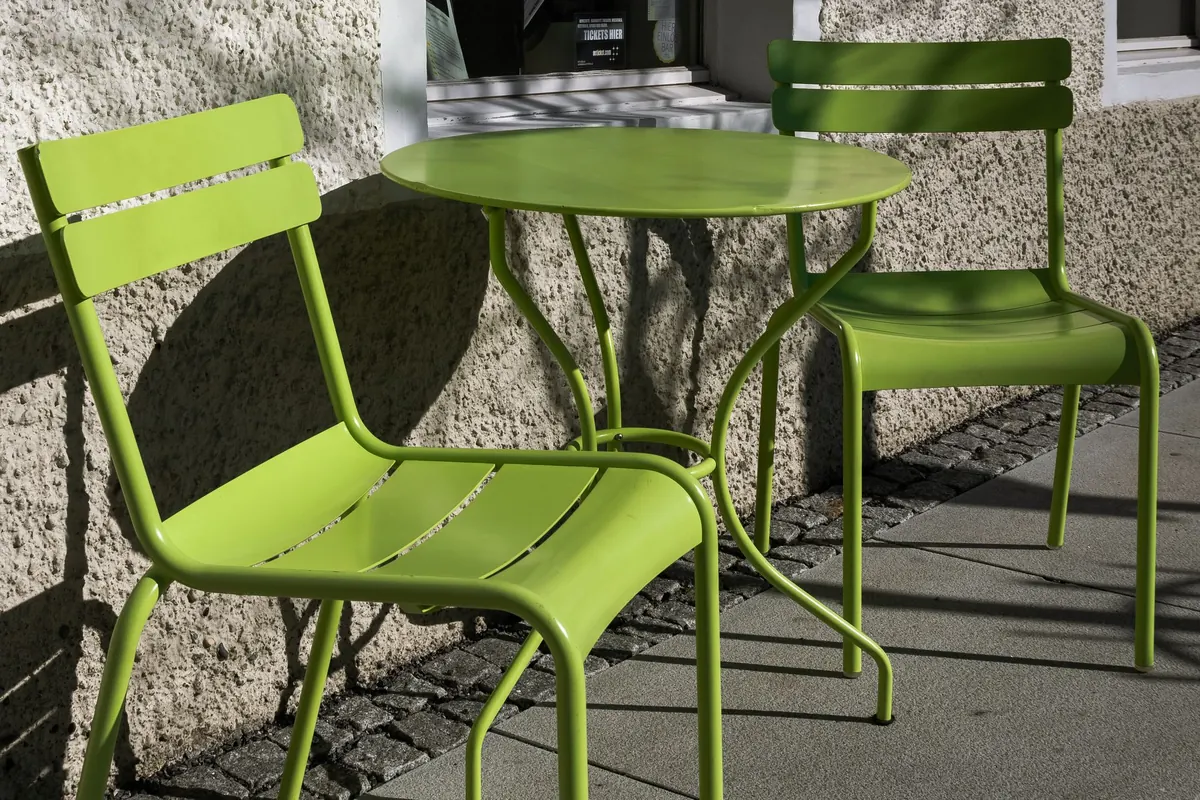
Broom, smooth, stained or stamped: the price of each
The finish sets most of the price. These are HomeGuide's 2026 installed ranges; a broom finish is the budget pick, and it stays grippy after the sprinklers run without a sealer.
| Finish | Price | Good to know |
|---|---|---|
| Plain, broom finished | $6 to $13 per sq ft | Grippy, cheapest to keep; the Corona default |
| Plain slab, smooth | $4 to $12 per sq ft | Best base for a later stain or overlay |
| Stained | $8 to $25 per sq ft | Color without a pattern; needs resealing |
| Stamped | $8 to $30 per sq ft | Stone, brick or wood look; reseal every 2 to 3 years |
HomeGuide concrete patio cost guide (2026). Stamped resealing interval from Concrete Network (July 2026). Your own site sets the final price.
Worked prices for a 12 by 20, a 20 by 20 and a 15 by 30, plus the comparison with pavers, are on the concrete patio cost in Corona page. Stamped patterns are covered on the stamped concrete page.
Getting the water off the patio
Water is often what spoils a patio. The California Residential Code wants hard surfaces within 10 feet of the house to fall at least 2 percent away from it, and on Corona's small tract back yards the water still has to go somewhere: a lawn edge, a gravel strip, a planter or an area drain piped to the street.
Ground under the slab
Most Corona yards sit on well-drained sandy or gravelly loam, so an ordinary base is enough. Our USDA sample did find moderate and high shrink-swell soils in a few spots, and the Corona soil guide shows where extra base rock and tighter joint spacing are worth it.
How a Corona patio is poured
- 1Paint the outline
The shape is marked on the ground around the slider and steps, with a slope that carries rain out to grass, a planter or an inlet and away from the slab-on-grade house.
- 2Place the cover posts
If a cover is coming, now or later, its post footings are spotted before the pour rather than sawed into new concrete afterward.
- 3Strip and firm up the ground
Turf, roots and loose dirt are scraped off and crushed rock is rolled flat in thin passes.
- 4Set forms and place concrete
Boards hold the outline and the 2 percent drop by the house, steel goes in at half depth, and the crew finishes the face broomed, stamped, troweled for stain or washed to show aggregate.
- 5Saw and cure
Cuts divide the slab into near-square panels, and it stays wet or under a curing coat for the first several days.
Related outdoor concrete
A patio often comes with a walk to the side gate or a pad for a spa or shed; see walkways and steps and concrete slabs and pads. If you're weighing concrete against pavers, the concrete vs pavers guide lays out cost, lifespan and upkeep side by side.