Driveway extension in Corona CA: three common layouts
When a two-car driveway isn't enough, the extra parking usually gets added one of three ways. All three stay on private ground; only the curb cut belongs to the City. The main concrete driveway in Corona page covers full replacement.
Side strip to the gate
A narrow slab along the garage side so a trailer, a boat or the trash cans sit on concrete, flaring in behind the sidewalk without touching the approach.
Third-car lane
A full-depth lane beside the existing driveway. If the existing approach is narrow, the curb cut may need widening too, within the 28 foot and half-frontage limits.
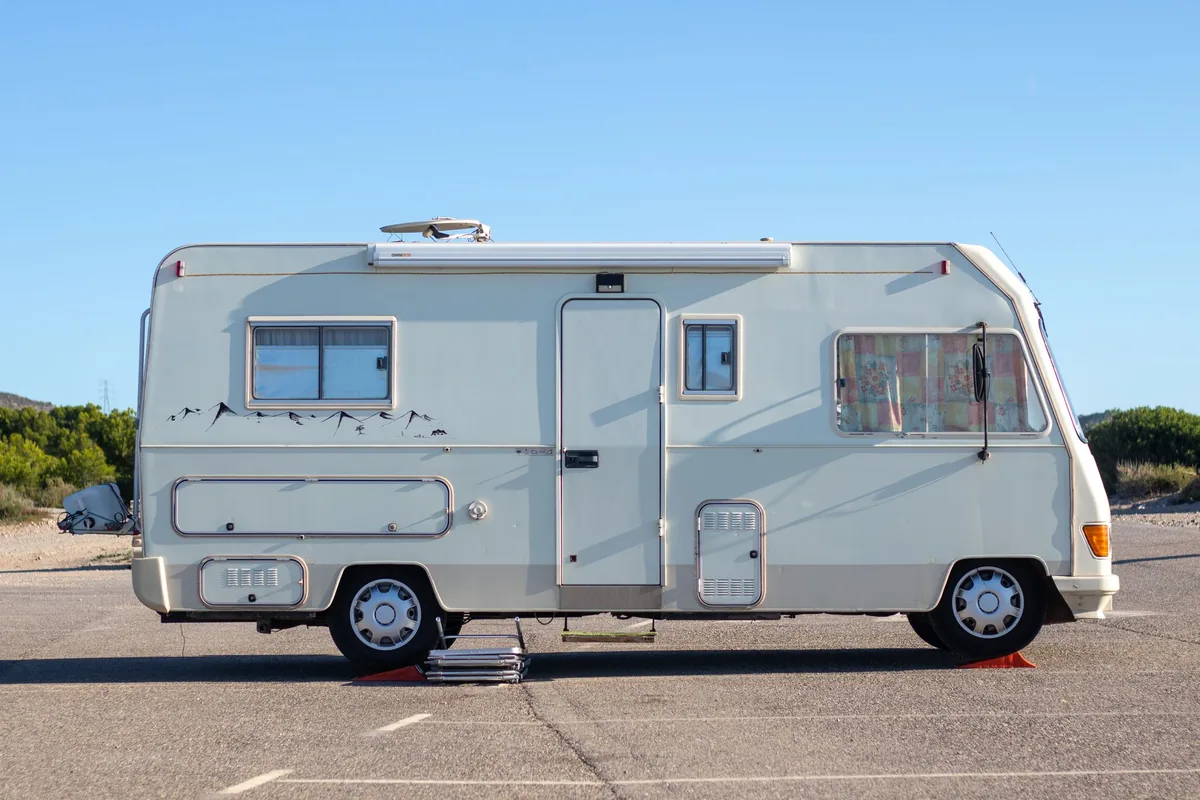
RV pad
A pad about 12 feet wide and as long as the rig (concreteslabcost.com prices 12 by 40 and 12 by 45 foot pads), built 6 inches thick with rebar. Where the lot is deep enough, it tucks along the side of the house behind a gate.
Prices for side strips, third lanes and RV pads
Vehicle slabs cost more per foot than patios because they are thicker and carry more steel. These are the dated ranges; a gravel pad is listed for comparison.
| Build | Price | Source |
|---|---|---|
| RV pad, 12 x 45 ft (6 in, #4 rebar, 6 in base) | $4,390 to $10,500 | Typical $6,460 (concreteslabcost.com, Oct 2026) |
| RV pad per square foot (6 in with rebar) | $8 to $19 per sq ft | concreteslabcost.com, Oct 2026 |
| 6 in driveway slab for heavy vehicles | $8 to $20 per sq ft | HomeGuide, 2026 |
| 4 in extension for a car | $6 to $15 per sq ft | HomeGuide, 2026 |
| Gravel parking area instead | $1 to $3 per sq ft | HomeGuide, 2026 |
concreteslabcost.com RV pad and pad cost models (October 2026); HomeGuide concrete driveway guide (2026). Excludes tear-out, permits and curb work. Your own site sets the final price.
Full driveway totals by size are worked out on the concrete driveway cost page.
The City's limits on a wider driveway
Standard Plan 128 limits a single-home approach to 10 to 28 feet and to no more than half the lot's frontage, with at least 22 feet between two openings on one lot. On a lot with 50 feet of frontage that means an approach of 25 feet at most, which is why extensions usually widen behind the sidewalk instead. Changing the approach is covered on the driveway approach page.
Building it to carry the load
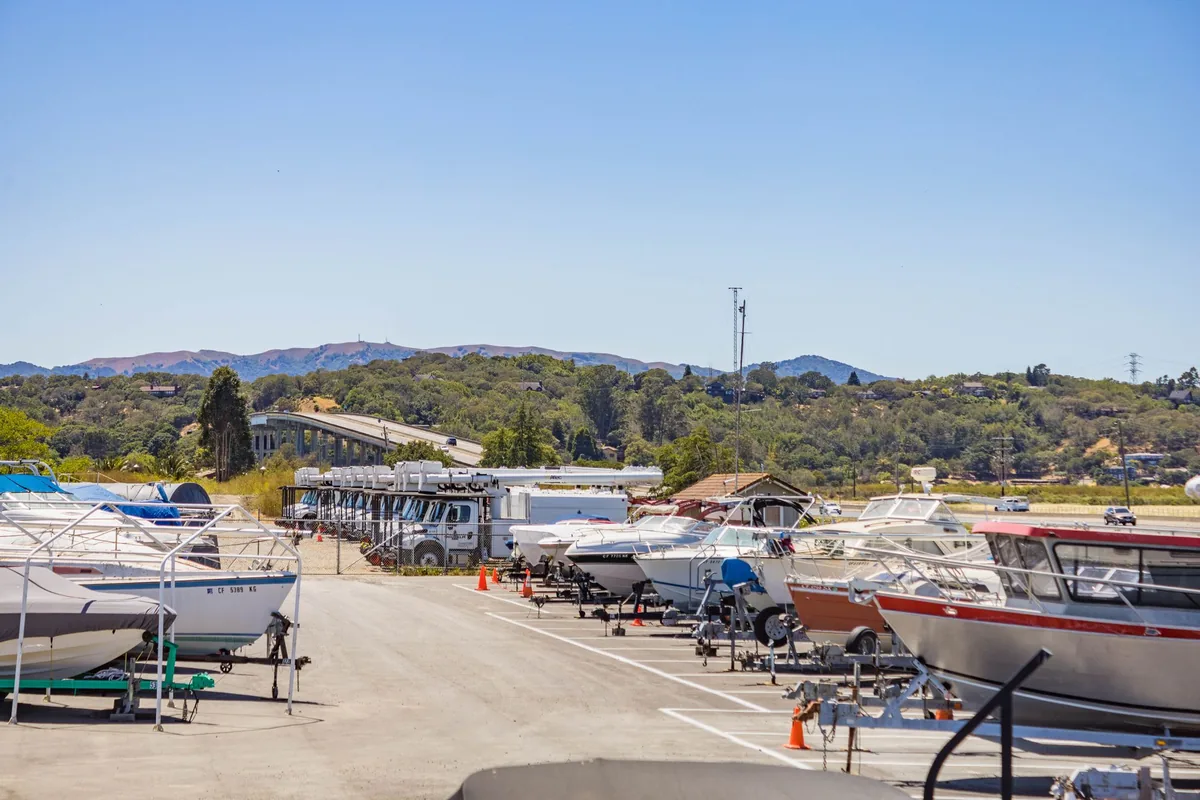
An RV pad is built like a driveway, only heavier: a compacted stone base about 6 inches deep, 6 inches of concrete and a rebar grid at mid-depth, with joints laid out so panels stay close to square. On the few clay pockets our Corona soil sample found, the base goes deeper. Small pads for a trailer tongue jack or a generator are on the concrete slab page.
- 1Lay it out against the lot
The extension is drawn against the frontage, the setbacks, the side gate and the existing curb cut, and checked against the HOA's rules if the tract has them.
- 2Decide whether the curb cut moves
If the extra width can flare in behind the sidewalk, the approach stays; if it can't, the approach is widened under a right-of-way permit, within Standard Plan 128's limits.
- 3Excavate deeper than a patio
Vehicle slabs sit on a thicker compacted base; soft or planted soil along the side yard comes out.
- 4Tie in and reinforce
The addition is pinned to the existing drive with steel dowels or kept apart by a foam strip, and its rebar matches the weight it will carry.
- 5Pour, joint and cure
The slab is poured 6 inches thick for an RV, jointed into near-square panels and cured; heavy vehicles wait 28 days.
Larger lots
On rural parcels such as those around Lake Mathews, RV pads and long parking strips are common, and the county, not the City, permits anything at the road.