Concrete resurfacing in Corona CA: a new top, not a new slab
Resurfacing covers the top of existing concrete with a thin layer of cement and polymer resin, from a 1/32 inch skim coat to a 2 inch self-leveling pour, in HomeGuide's overlay table. It suits Corona slabs that are level and solid but look tired: faded, stained, scaled, patched in mismatched colors or crazed with fine cracks. You'll find it with the rest of our work on the concrete contractor in Corona CA page.
- Driveways with surface wear, oil stains or flaking but no settling
- Patios with old patches that no longer match
- Walks and steps with a worn or chipped top
- Stamped surfaces that have faded, recoated or restamped
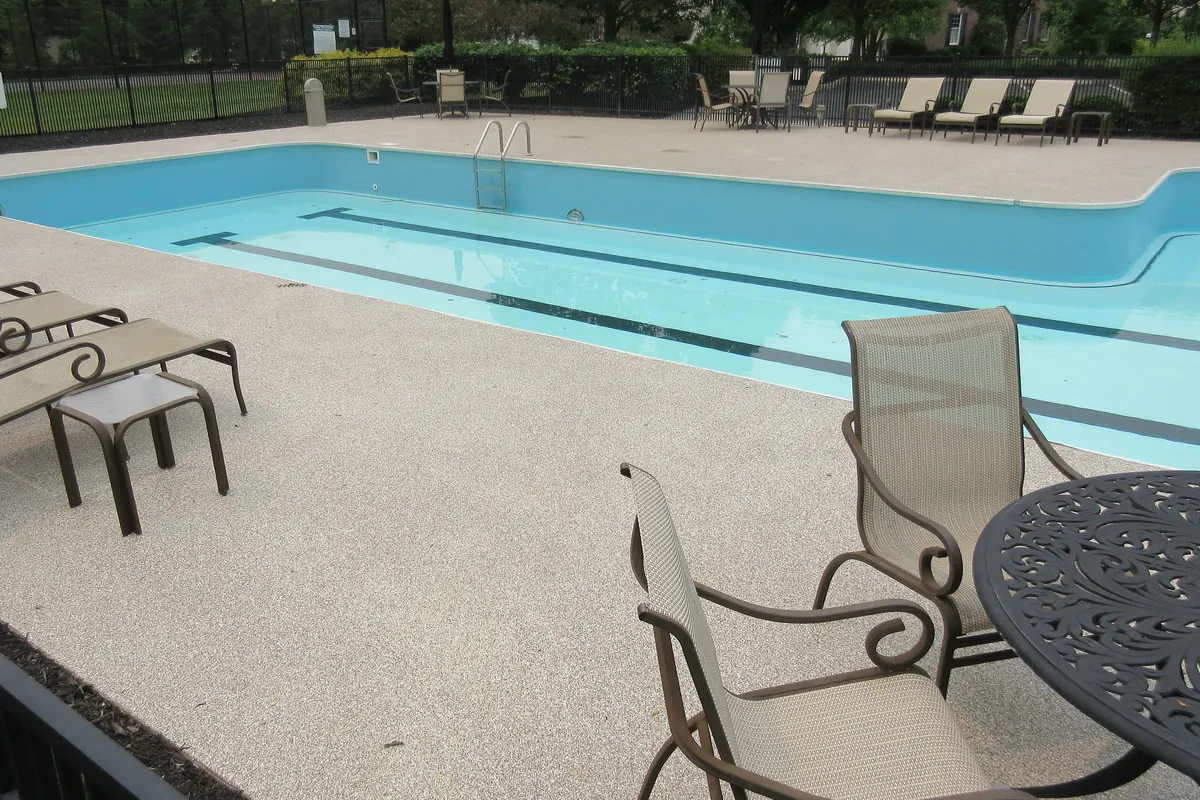
- Pool decks, which have their own page
Overlay types and thicknesses
HomeGuide's 2026 guide groups overlays by thickness and finish. Thinner systems cost less and suit smooth or lightly textured tops; stampable and self-leveling overlays are thicker and do more.
| Type | Thickness | Finish |
|---|---|---|
| Micro-topping or skim coat | 1/32 in to 3/16 in | Smooth or lightly textured; takes stain or tint |
| Knockdown, spray-down or trowel-down | About 1/8 in | Splatter or shallow texture; common on patios and pool decks |
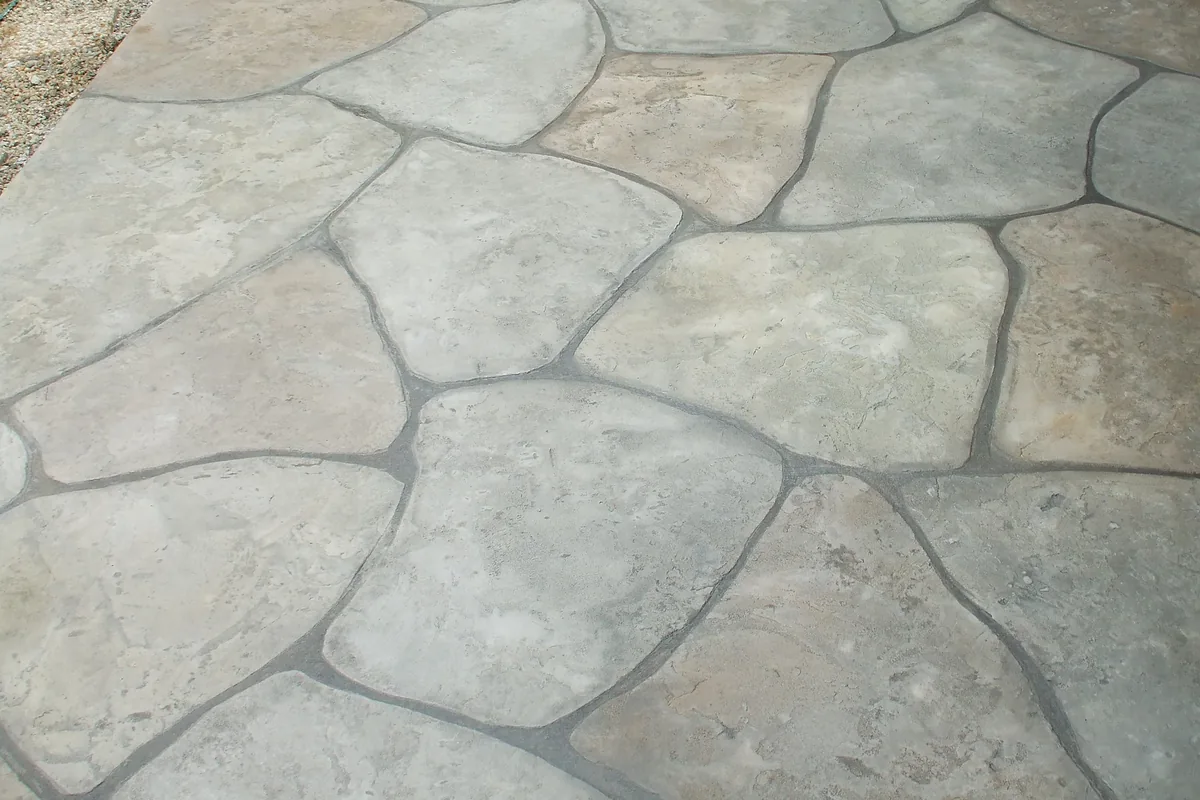
| Stampable overlay | 1/4 in to 3/4 in | Pressed to look like stone, brick or tile |
| Self-leveling overlay | 1/4 in to 2 in | Smooth and flat; can be saw-cut or engraved |
HomeGuide concrete resurfacing cost guide (2026). Product names and thicknesses vary by manufacturer.
Prices follow the same order. HomeGuide puts a standard overlay at $3 to $7 a square foot and decorative or stamped overlays at $6 to $20; its stamped overlay section breaks that into $7 to $15 for a single pattern and $15 to $20 for complex designs. Full stamped patterns on new concrete are covered on the stamped concrete page.
Will an overlay hold on your slab?
The overlay can't be stronger than what it sits on. HomeGuide calls inadequate surface preparation the most common cause of cracking and delamination in a new overlay, and says resurfacing only works over concrete with stable joints and a strong base.
Good candidates
Level, solid concrete with surface wear, stains, scaling or hairline cracks.
Fix first
A few wider cracks or a sunken panel. Those are handled by concrete repair or concrete leveling before the overlay goes on.
Not a candidate
Heaved, broken or still-settling slabs, or a fix that would need more than about 2 inches of new material. Those are removal and replacement jobs.
Resurfacing a Corona slab, start to finish
- 1Check that it has stopped moving
Only a flat, firm slab with quiet joints gets an overlay; one that is still shifting is fixed, lifted or replaced first.
- 2Strip it back
A pressure washer takes off grime, oil spots and mildew, and any old paint, sealer or coating is removed so the new layer can grip.
- 3Mend the base layer
Cracks get filled and crumbly spots are chipped out and rebuilt, since a thin topping copies every flaw beneath it.
- 4Bond and lay the new top
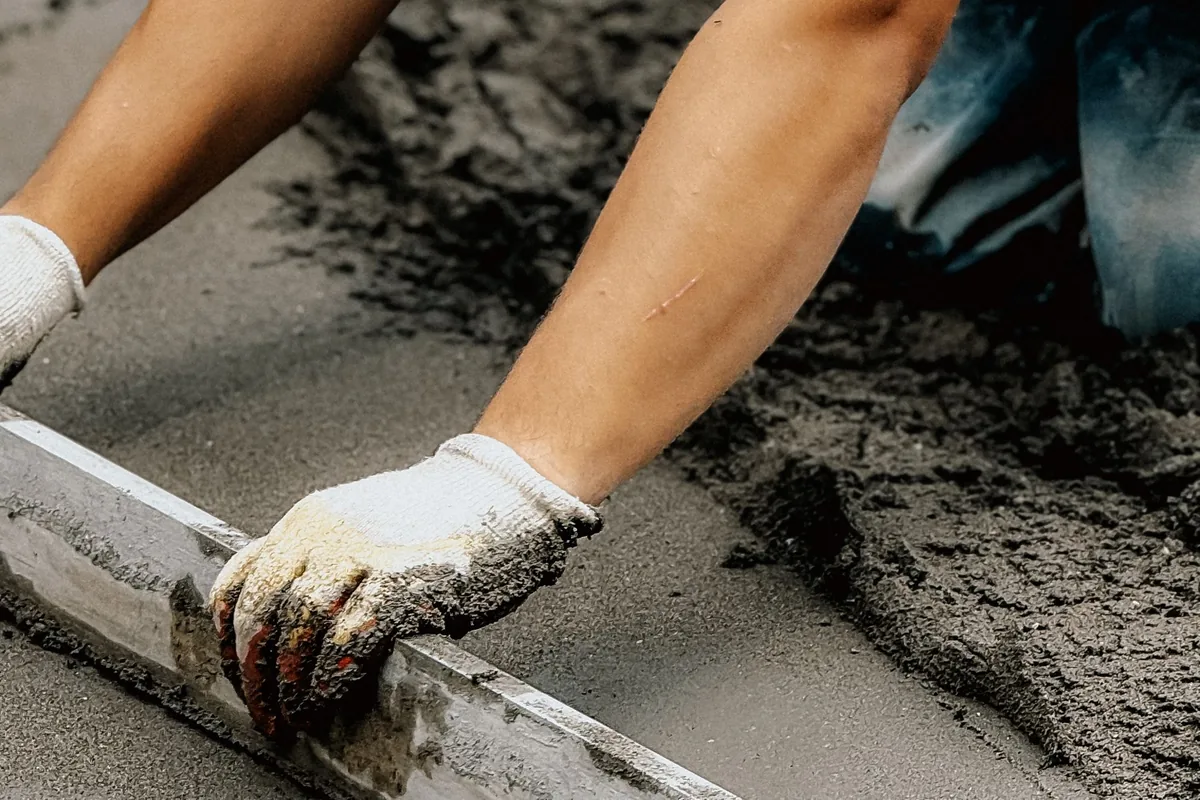
A primer goes down, then the topping is troweled, sprayed or stamped at the planned depth, with the old joints cut back through it.
- 5Seal, then stay off
The finished face is sealed and left alone to cure; on summer days the crew works early and in shade.
Resurfacing next to the pool and the patio
Coatings around a pool have their own considerations, from cooler colors to slip resistance; see pool deck resurfacing. For a patio or driveway that is past resurfacing, start with concrete patios or concrete driveways.